
ETUCE Highlights the Need for Teacher-Led AI Governance at S&D Event on the Future of Education
On 18 November, ETUCE participated in the Socialists & Democrats (S&D) Group seminar“Who Shapes the Future of Education? AI, Skills and the Public Interest” at the European Parliament in Brussels. Jelmer Evers, ETUCE European Director, spoke during the second panel discussion, while Martina Di Ridolfo attended on behalf of ETUCE.
The event brought together policymakers, researchers, education practitioners and social partners to discuss how artificial intelligence is reshaping education and how digital transformation can serve the public interest. Discussions took place against the backdrop of the European Commission’s newly published Education and Skills Package, with speakers emphasising that teachers and educators must remain at the centre of decisions on the future of education.
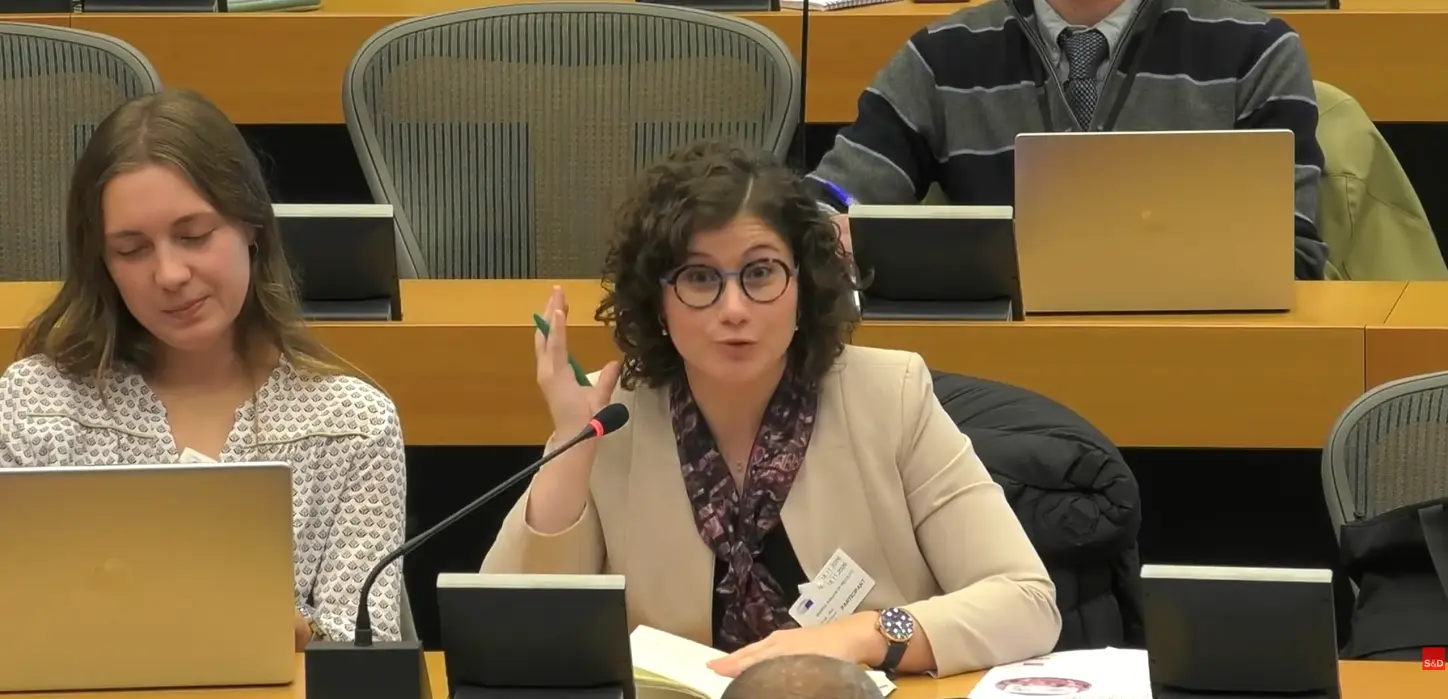
Opening the event, Roxana Mînzatu, Executive Vice-President of the European Commission, underlined the importance of the Teachers’ Agenda as a key pillar of the Education and Skills Package, stressing that education cannot be improved without empowering teachers and ensuring their voices are heard. She also highlighted the need for trustworthy and socially responsible AI solutions in education.
Throughout the seminar, speakers raised concerns about the growing influence of large technology companies in education, the protection of learners’ rights, and the need for democratic oversight of AI systems. Discussions highlighted the importance of safeguarding public education, strengthening critical thinking, and ensuring that AI supports rather than undermines teaching and learning.
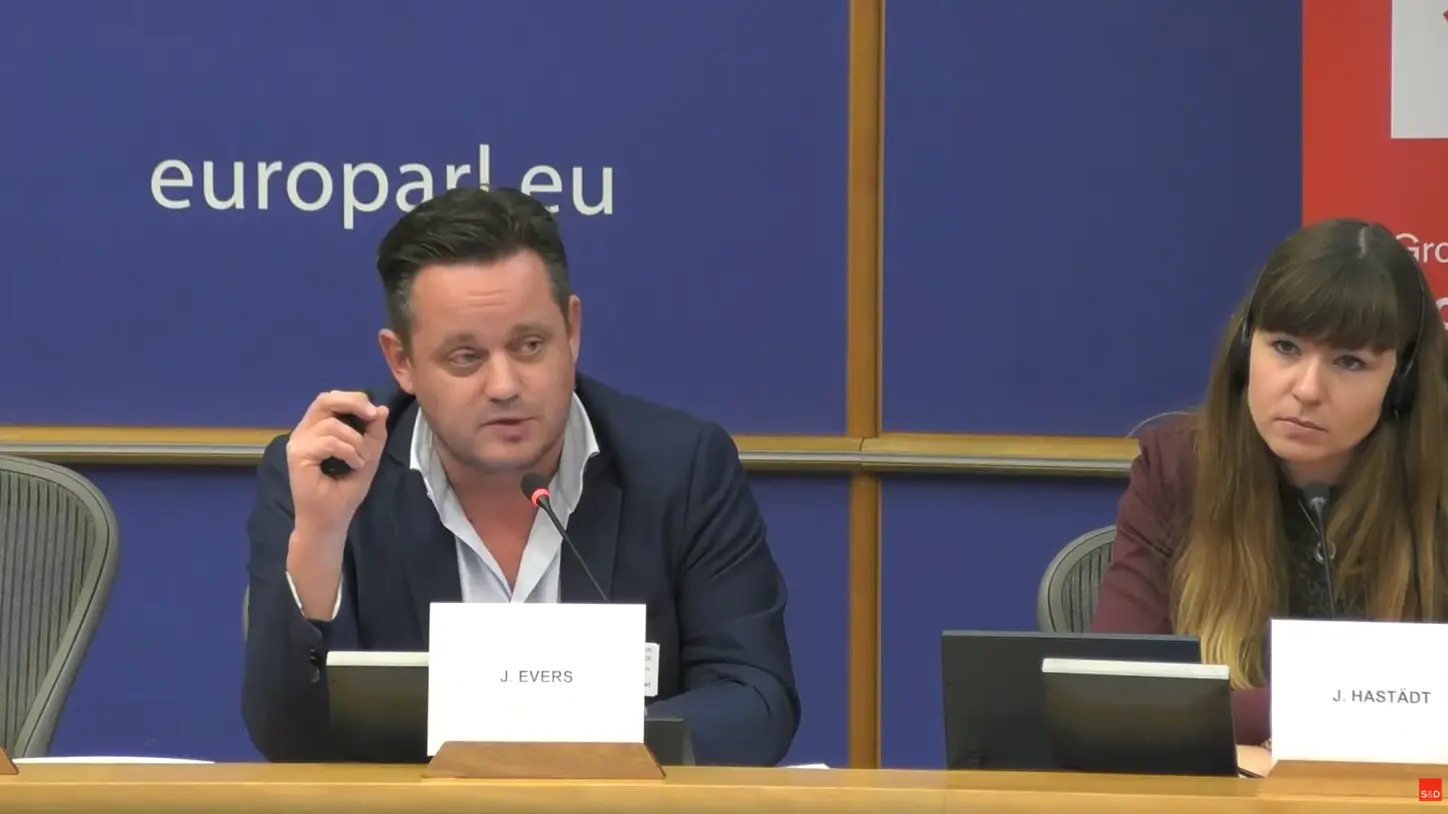
In his intervention, Jelmer Evers stressed that the teaching profession must play a central role in how AI is introduced and governed in education. He called for stronger recognition of teaching as a profession, greater teacher involvement in policymaking, and investment in education systems and the profession itself. He also underlined that teachers must be involved in the governance of emerging European AI initiatives, including the EDU-EDIC, and warned against deregulation that could weaken existing protections in the digital sphere.
Evers further emphasised the importance of collective action, noting that the challenges posed by AI cannot be addressed by individual teachers or unions alone. He announced the publication of ETUCE’s new AI Handbook and Good Practice Database, which aim to support education trade unions and educators in navigating the opportunities and challenges of AI while protecting workers’ rights and educational quality.
The seminar reinforced a message long advocated by ETUCE: digital transformation in education must be human-centred, democratically governed, and developed with teachers, not simply for them.